Fortunately, mental healthcare has come a long way. Today, we have lots of treatment options on the table for people living with conditions like depression, obsessive-compulsive disorder (OCD), and post-traumatic stress disorder (PTSD).
Better still, we’re improving our ability to target the specific parts of your brain that need attention. Rather than taking something orally and facing side effects that impact your whole body, you have options to send treatment straight to your brain.
Alejandra Suzuki, MD, FAPA, can do that with transcranial magnetic stimulation (TMS) and the more personalized version of TMS, magnetic e-resonance therapy (MeRT). She offers these non-invasive, drug-free treatment options right here at Americas TMS Center in Irvine, California.
Because MeRT builds on TMS, let’s start by explaining TMS first.
How transcranial magnetic stimulation works for your brain
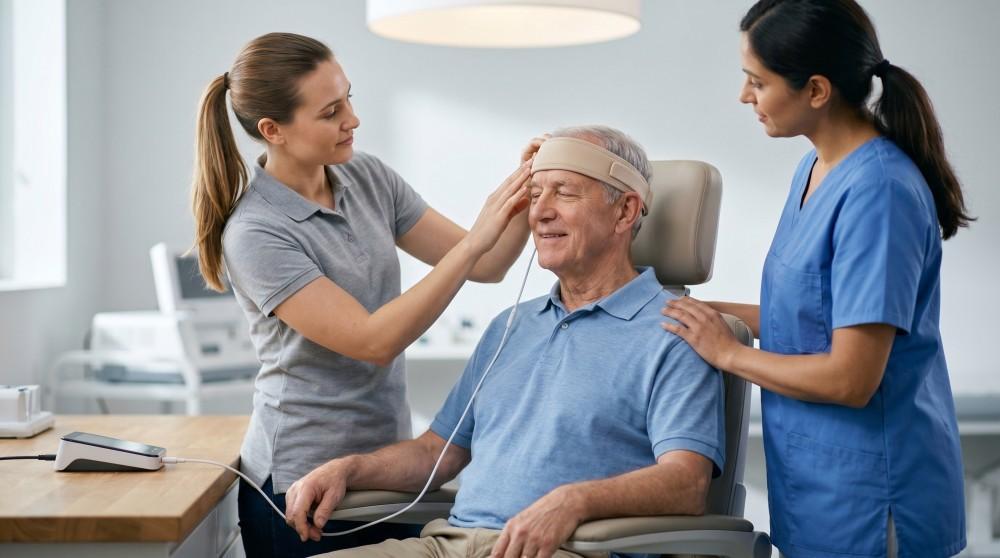
During TMS, Dr. Suzuki places a specialized coil on your head. She then uses that coil to direct magnetic pulses through your scalp into your brain. During each session, which typically lasts about 20 minutes, you might feel a tapping or hear a knocking sound. TMS shouldn’t ever be painful, though.
The energy from those pulses helps stimulate activity in the targeted portion of your brain. By directing the magnetic treatment to underactive areas, Dr. Suzuki can use TMS to encourage those areas to kick back into action. Working on the parts of your brain that help regulate your mood can yield significant relief from symptoms of OCD, PTSD, and depression.
TMS isn’t a one-and-done treatment. Instead, people usually see the best results with five sessions a week for about six weeks.
Personalizing your care with magnetic e-resonance therapy
During TMS, Dr. Suzuki adjusts the placement and intensity of the magnetic pulses based on what we’re trying to treat. With depression, for example, that often means targeting the left and right dorsolateral prefrontal cortex. In other words, we tailor treatment for your condition in general, but not for you personally.
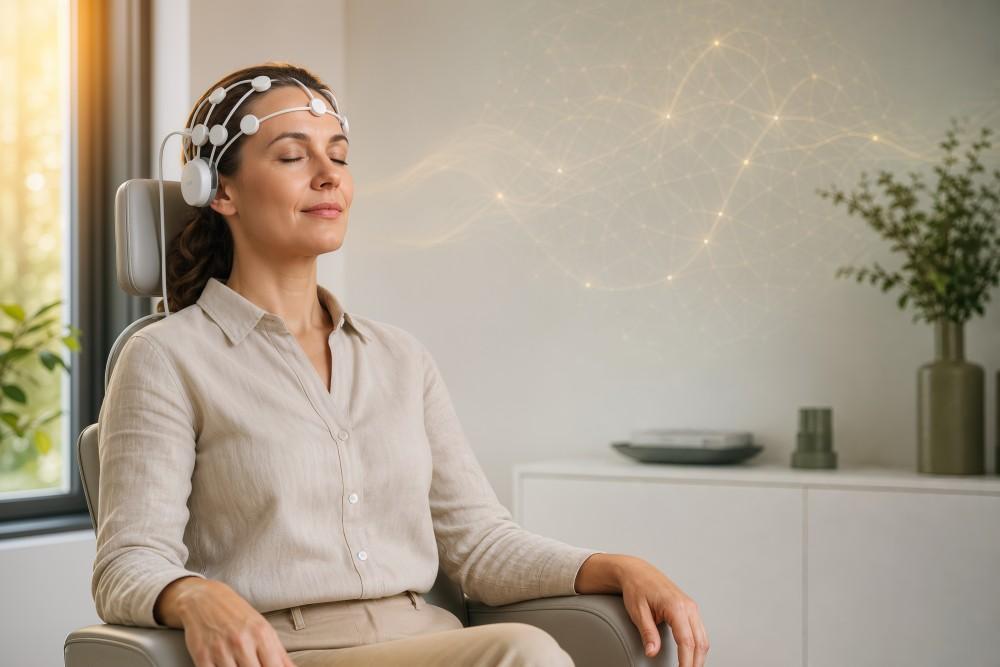
Magnetic e-resonance therapy is different. It starts with an electroencephalogram (EEG). By placing small electrodes all around your scalp, an EEG lets Dr. Suzuki measure your brain activity. This way, she can see precisely which parts of your brain are underactive or otherwise performing abnormally.
Using that information, Dr. Suzuki personalizes the TMS treatment for your brain, tailoring your specific MeRT treatment plan. The treatment experience for MeRT isn’t any different from TMS. The difference lies in the precision with which Dr. Suzuki can align the magnetic pulses with your unique brain.
She can help you decide if MeRT is right for you based on your brain activity and symptoms.
If you want to try a drug-free way to get targeted treatment to your brain, come talk to Dr. Suzuki. Call our office or schedule an appointment online today.